

Home > Realtor Resources > 1960-1970
This page is a realtor-facing reference. If you are a homebuyer reading this, start with How to Read Your Inspection Report
1960–1970 Home Inspection Guide — The Modern Expansion Era
The era of "Production Building" in Texas. A housing boom led to the use of experimental materials and the introduction of high-risk electrical components. For a Texas inspector, this is the "Danger Zone" for single-strand aluminum wiring, defective electrical panels, and the first generation of central HVAC systems now reaching the end of their lives.
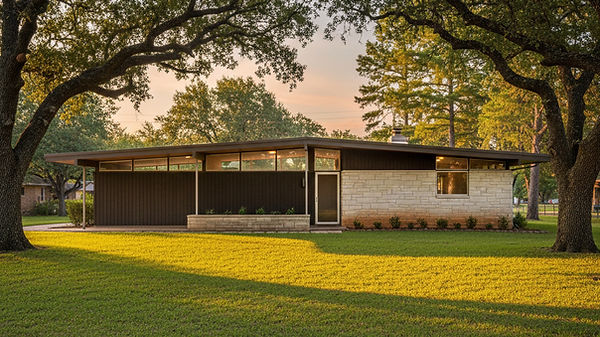
Here's what your buyer's inspector will most likely flag. The body of this guide is organized by the four major home systems, followed by the Production-Building Trap — the patterns specific to 1960s construction where rapid scale created systemic safety issues.
Structural Systems
Foundations:
-
Cast Iron Under-Slab Leaks: Horizontal cast iron drains are nearing the end of their life. Leaks under the slab often lead to localized heaving in expansive Texas clay.
-
Original Slab-on-Grade: Lightly reinforced concrete from this era often shows perimeter cracking and edge drops from decades of soil movement.
-
Pier-and-Beam (Where Present): While slab-on-grade dominated 1960s suburban construction, pier-and-beam is still common on rural builds, sloped lots, and custom homes. Concrete piers from this era sit on shallow pads — inspect the crawlspace for differential settlement, shimmed piers, added supplemental piers, and mismatched concrete patches that indicate past repair work. The repair history matters as much as the current condition.
Grading and Drainage:
-
Sunken Concrete: Patios and walkways poured flush to the foundation have often settled, creating "negative grade" that funnels water toward the structure.
-
Grading-Driven Pier Settlement: On pier-and-beam homes, decades of negative grading have undermined concrete pier footings. Look for floor un-levelness, racked door frames, and gaps between piers and the beam above — symptoms that show up after a wet season, then partially recede when the soil dries.
Roof Covering Materials:
-
End-of-Life Composition Shingles: Original shingles are decades gone — verify the current roof's age and remaining life. Multiple-layer roofs (composition over original wood shake) are common.
-
Original Metal Flashing: Step flashing, valley flashing, drip edge, and chimney saddles on 60s homes were galvanized steel. Where originals remain (often hidden under multiple shingle replacements), they are heavily rusted — look for rust streaks on siding, pinhole staining on fascia below valleys, and corroded chimney saddles.
-
5V Crimp Metal Roofing (Rural Builds): Less common in 60s suburban construction than in the following decade, but found on rural homes and small-town builds outside the I-35 corridor. Original galvanized 5V is rusting at fastener penetrations, the felt underlayment is long gone, and the original neoprene washers on exposed fasteners are dry-rotted.
Roof Structures and Attics:
-
The "H-Clip" Absence: Early plywood decking often lacks H-clips between sheets, resulting in sagging between rafters.
-
Insufficient Insulation: Original 1960s attics were typically insulated to about R-19 — well below today's R-38 minimum. After 60 years of settling, animal disturbance, and contractor traffic from HVAC retrofits, most 1960s attics show significant insulation gaps, compression, and uneven coverage.
-
Rafter Deflection and Inadequate Purlin Support: Visible mid-span sag and bowed rafters are common, often from the cumulative weight of multiple-layer roofs on framing not originally designed for it. Inspect purlins for proper bearing on load-bearing walls; many 60s purlins terminate on non-load-bearing interior walls and have settled under decades of loading.
-
Original Ventilation Deficits: Gable-only ventilation was standard in 60s Central Texas homes — no ridge vents, often no soffit vents either. By modern standards this is grossly inadequate for our climate, driving attic temperatures of 150°F+ in summer that accelerate shingle deterioration and condense moisture against the underside of the deck.
-
Asbestos Vermiculite (Zonolite) Insulation: Common in this era — has a distinctive shiny gold/silver appearance. Should not be disturbed without testing.
Exterior Walls, Doors, and Windows:
-
Asbestos Siding ("Transite"): Cement-asbestos siding panels were common on Texas budget builds — durable but hazardous if cut, sanded, or broken during renovation.
-
Original Wood Windows: Single-pane wood windows now showing failed glazing putty, rotted sills, and broken sash cords.
Stairways (Interior and Exterior):
-
Open Risers: Mid-century designs often featured "open" stairs — TREC deficiency if the opening allows a 4-inch sphere to pass.
-
Handrail Height: Often installed too low (30–32 inches); modern standards require 34–38 inches.
-
Graspability: Common use of flat, wide boards for rails that do not allow a firm wrap-around grip.
-
Guardrail Strength: Original wrought-iron rails often rust at the connection points, making them wobbly and unsafe.
Electrical Systems
Service Entrance and Panels:
-
Federal Pacific (FPE) Stab-Lok & Zinsco: This is the peak era for these "deficient" panels — known fire hazards due to breakers failing to trip.
-
Original 60-Amp or 100-Amp Service: Insufficient for modern loads — most homes have been upgraded, but verify the service size.
Branch Circuits:
-
Single-Strand Aluminum Wiring (1965–1973): High-risk for fire at connection points due to thermal expansion. Look for "AL" or "Aluminum" on wire jackets.
-
Cloth-Insulated Wiring: Original branch circuits from the 60s often have cloth-and-rubber insulation that becomes brittle and crumbles when disturbed — a real concern during any electrical work or device replacement.
-
Original 2-Slot Receptacles: Many 60s homes still have original ungrounded 2-prong receptacles in less-renovated rooms. These indicate the underlying circuit lacks an equipment ground — replacing them with standard 3-prong outlets without adding a ground or GFCI protection is a code violation and a safety hazard.
-
Ungrounded 3-Prong Outlets: Modern outlets installed on old 2-wire circuits without a ground or GFCI protection. False safety — the third slot is connected to nothing.
-
Lack of GFCIs: Ground-fault protection was not yet required in kitchens, baths, or outdoors during this era.
-
Worn and Loose Receptacles: Original 1960s receptacles are 55–65 years old — contacts no longer grip plugs firmly and mounting screws back out. A documentable deficiency on regularly used outlets.
-
Reverse Polarity and Open Grounds: From 60+ years of amateur receptacle replacements. Finding one reversed receptacle usually means several more elsewhere.
HVAC Systems
Heating Equipment:
-
All Original Equipment Replaced: Original 1960s furnaces and wall heaters are essentially never found in service — if any are still operating, they're decades beyond their serviceable lifespan and operating at fractions of modern efficiency. Verify the current equipment's age, condition, venting, and proper combustion air supply.
-
Abandoned Equipment Remnants: Look for abandoned gas lines, capped flue penetrations, and old thermostat wiring from previous systems. Uncapped gas lines are a safety issue; abandoned wiring and ductwork create confusion during future service calls.
Cooling Equipment:
-
All Original Equipment Replaced: Original 60s central AC (where present at all) is long gone. Any system on the property is a retrofit — typically the second or third — and the current unit's age, refrigerant type, and condition matter far more than the home's age.
Duct Systems:
-
Multi-Generational Retrofit Patterns: Original 1960s homes weren't designed for central AC. Retrofit ductwork often shows compromised framing penetrations, awkward routing through closets and chases, undersized return air paths, and abandoned ductwork from earlier system installations left in place. Look for the full retrofit story, not just the current equipment.
-
Original Galvanized Trunks (Rare): Where original galvanized supply trunks remain from early central AC retrofits, expect corrosion, leaky seams, and degraded fiberglass insulation.
-
Transite (Asbestos) Flue Pipes: Used for water heater and furnace venting throughout this era — hazardous if cracked or efflorescing. Do not disturb without testing.
-
Asbestos Duct Tape: White cloth tape on heating ducts may contain asbestos — do not disturb without testing.
-
Improper Sealing: On retrofit AC ductwork, look for failed sealing at galvanized-to-flex transitions, where decades of attic heat have broken down the original tape and mastic. Significant air loss into the attic is typical on systems this age.
Plumbing Systems
Plumbing Supply:
-
Galvanized Pipe (Legacy): Still found in many 60s homes — horizontal lines likely restricted by internal rust, causing low pressure and "brown water."
-
Original Copper: Mid-grade 60s copper is reaching the end of its design life — pinhole leaks at hot-water lines are common.
Drains, Wastes, and Vents:
-
Cast Iron "Bottom Rot": Horizontal cast iron lines often rust away at the bottom, allowing sewage to seep into the soil.
-
Original Vent Stacks: Cast iron vent stacks may be rusted at attic penetrations — a common source of unexplained interior staining.
The "Production-Building Trap" (1960–1970 Specialty)
-
The "CO/ALR" Deception: A seller replaces outlets with modern ones but uses standard copper-only outlets on aluminum wiring — a major fire hazard hiding behind cosmetic upgrades.
-
The "Panel Swap": A new exterior panel is installed, but the interior sub-panel remains a Federal Pacific or Zinsco fire hazard.
-
The "Stub-Out" Deception: New PVC visible under the sink, but the pipe transitions to original cast iron or galvanized steel inside the wall.
-
The "LVP Mask": Luxury Vinyl Plank installed over 1960s asbestos floor tiles — hides hazardous material that becomes an issue during any future renovation.
-
The "2-Prong Swap": Original 2-slot outlets replaced with 3-prong receptacles to make the wiring look modern — but the third slot is connected to nothing. A pure cosmetic upgrade that creates false electrical safety throughout the home.
Realtor Advice & Strategy
For Buyer Agents
-
The "Danger Zone" Script: This home was built during a time of electrical experimentation. We need the inspector to specifically check for aluminum wiring and FPE panels — these can make the home difficult or expensive to insure, and many lenders won't close without remediation.
-
The Asbestos Talk: Asbestos was everywhere in 60s construction — siding, floor tile, pipe wrap, duct tape, even attic insulation. If we see vermiculite or transite siding, we'll need to test before any renovation discussion.
-
The Lead Paint Script: This home is pre-1978 — assume lead paint is present on every painted surface. The EPA pamphlet is required disclosure, and if you have children under 6, you'll want a separate lead-paint hazard assessment.
-
The 2-Slot Receptacle Script: If you see original 2-prong outlets in a 1960s home, that's a sign the underlying wiring isn't grounded. Don't let a seller swap them out for modern 3-prong outlets just to make it 'look' updated — that's a code violation and a real safety issue. Modern outlets need a real ground or GFCI protection upstream.
-
The HVAC Retrofit Script: This home wasn't built for central AC — it was added later, probably more than once. We need the inspector to verify the current system's age and condition, but also to check for abandoned ductwork, uncapped gas lines, or compromised framing from previous installs. The retrofit history matters as much as what's running today.
For Seller Agents
-
Disclose Electrical Issues: If the home has aluminum wiring or an FPE panel, advise your seller to be upfront. Many buyers will ask for a credit or replacement as a condition of the loan.
-
Sewer Scope: On a 1960s home, a sewer scope is the best way to prove the cast iron is still functional and not "rotted out" — and to document it for the buyer in advance.
-
Address Aluminum Wiring: If aluminum wiring is present, get a quote for CO/ALR outlet replacement or full COPALUM remediation — buyers' insurance carriers will require it.
-
Pre-Inspect the HVAC Retrofit: If the home has had multiple HVAC system changeouts, have a technician walk the system before listing — including checking for abandoned gas lines, capped flues, and ductwork from earlier installs. Surprises here come up in inspection reports and stall negotiations.
Recommended Ancillary Services
-
Sewer Scope: To check for "bottom rot" in aging cast iron.
-
Thermal Imaging: To check for hot spots in electrical panels and aluminum connections.
-
Asbestos and Lead Testing: Asbestos for popcorn ceilings, vermiculite insulation, floor tile, pipe wrap, and Transite siding. Lead-based paint should be assumed present throughout — testing is recommended before any renovation that disturbs painted surfaces.
-
Hydrostatic Pressure Test: To verify the under-slab cast iron and galvanized supply lines are still intact.
If You're a Buyer Reading This...
A long list of findings on a home of this age is normal — not a red flag. Your inspector is required to identify deficiencies against today's safety standards, not the standards in place when the home was built. Read How to Read Your Inspection Report to learn how to triage findings by priority.
Inspecting a 1960s home in the I-35 corridor? Schedule with Property Pulse.
Call or text: (830) 800-0440
Same-day scheduling when available. Same-day report on every inspection. Serving the I-35 corridor from San Antonio to South Austin.
⭐ 5.0 on Google — read reviews
Mike McCown · TREC #26408 · InterNACHI CPI · CCPIA Certified